Why a 4-Day Safari Can Be the Right Choice for You
If this is your first safari, four days is actually enough to give you a proper experience. You do not need ten days to enjoy Tanzania's wildlife. What matters more is how the safari is planned.
A good 4-day itinerary gives you enough time inside the parks instead of spending all day driving. You wake up early, enter the parks when animals are active, and return in the evening after full game drives.
You also avoid safari fatigue. Long safaris sound exciting at first, but after several days of early mornings and long drives, some travelers start feeling tired. Four days keep the experience exciting from start to finish.
This safari length also works well if you are visiting Tanzania as part of a bigger trip. Many travelers combine a safari with Zanzibar beaches, Mount Kilimanjaro climbing, or nearby countries in East Africa.
And honestly, if you choose the right parks, four days can still give you unforgettable wildlife moments.
What You Will Usually See During 4-Day Safari Tours in Tanzania
One thing surprises many travelers during their first safari. Wildlife appears fast.
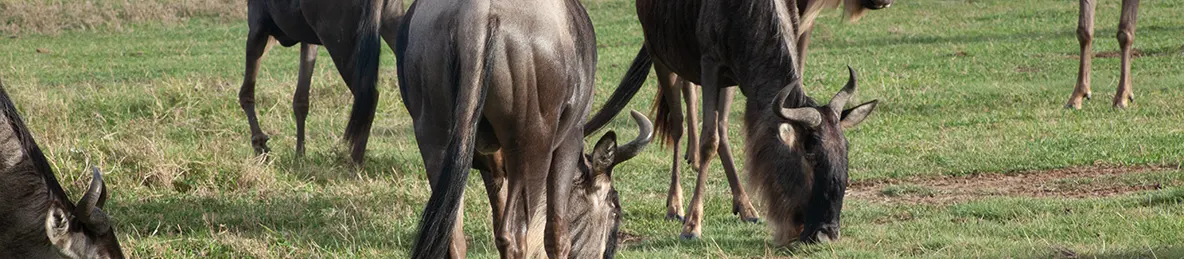
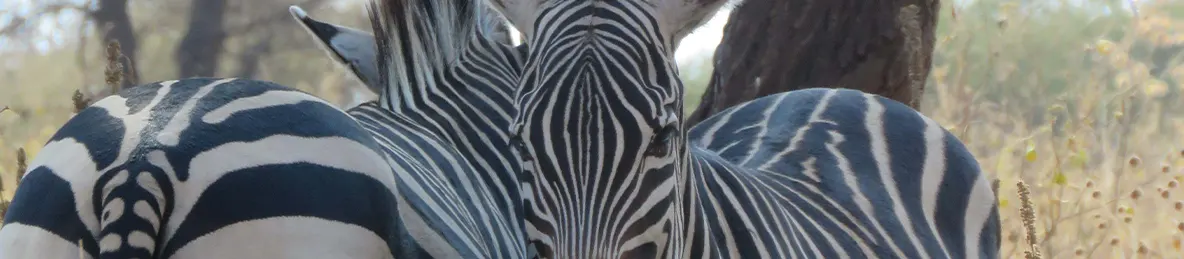
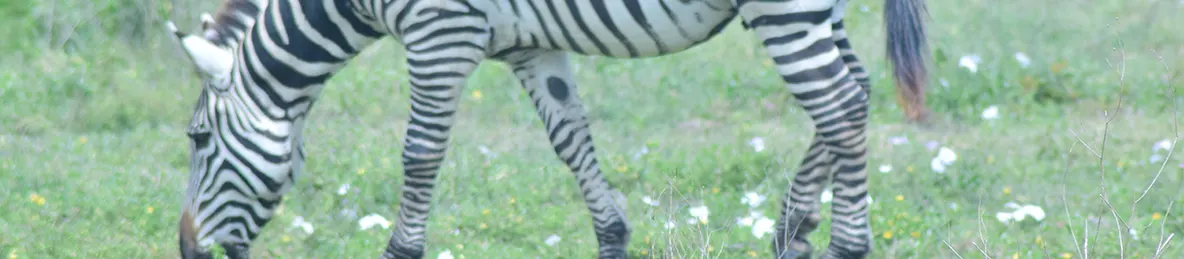
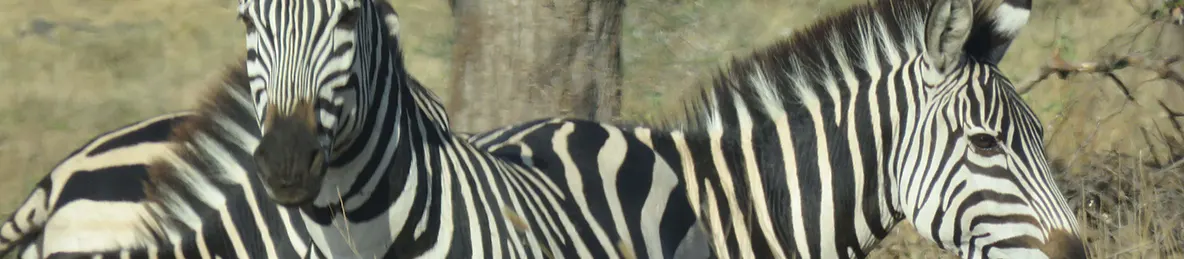
You might enter Tarangire in the morning and see elephants within the first 20 minutes. In Serengeti, it is normal to spot zebras, giraffes, and wildebeest before lunch.
During a typical 4-day safari, you may see:
- Lions
- Elephants
- Buffaloes
- Zebras
- Giraffes
- Hippos
- Hyenas
- Wildebeest
- Gazelles
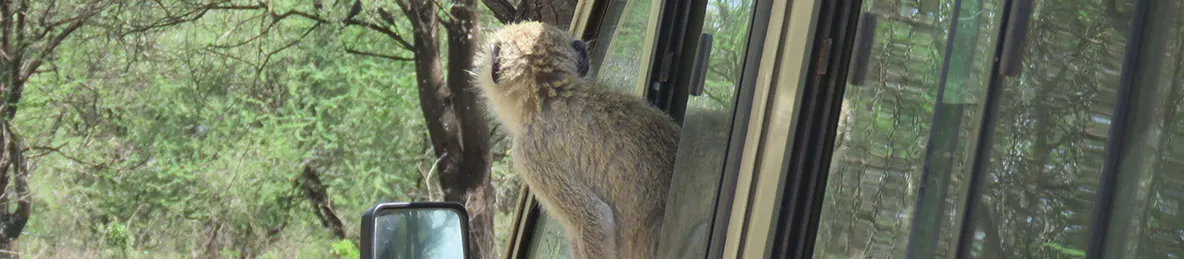
- Monkeys and baboons
If you are lucky, you may also spot cheetahs, leopards, or black rhinos, depending on the park and season.
The important thing to understand is this: safari is not scripted. Animals move freely. Every game drive feels different.
That is exactly why many travelers fall in love with it.
Tarangire National Park Feels Different From the Other Parks
If your itinerary includes Tarangire, you will quickly notice that the atmosphere feels calmer compared to Serengeti.
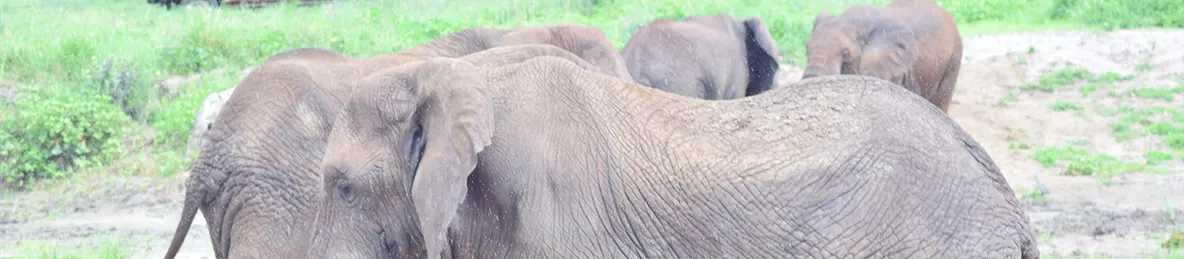
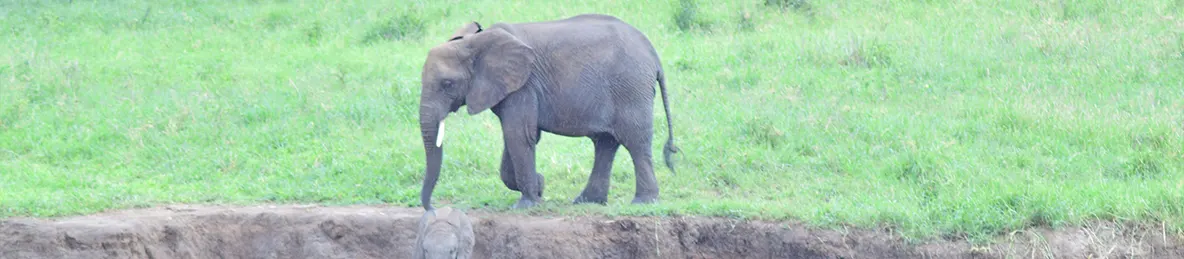
The park is famous for elephants and giant baobab trees. During the dry season, large elephant groups gather near the Tarangire River because water becomes limited in the surrounding areas.
You may see elephants crossing the road directly in front of the vehicle. Sometimes they stand only a few meters away.
Tarangire also has strong birdlife. Even travelers who are not birdwatchers usually notice the variety because birds appear everywhere around the river and wetlands.
Because Tarangire sits closer to Arusha, many 4-day Tanzania safari tours start there on the first day.
Serengeti Is the Safari Most People Imagine Before Visiting Africa
There is a reason Serengeti appears in so many wildlife documentaries.
The landscape feels huge. Open plains continue for long distances without fences, buildings, or crowds.
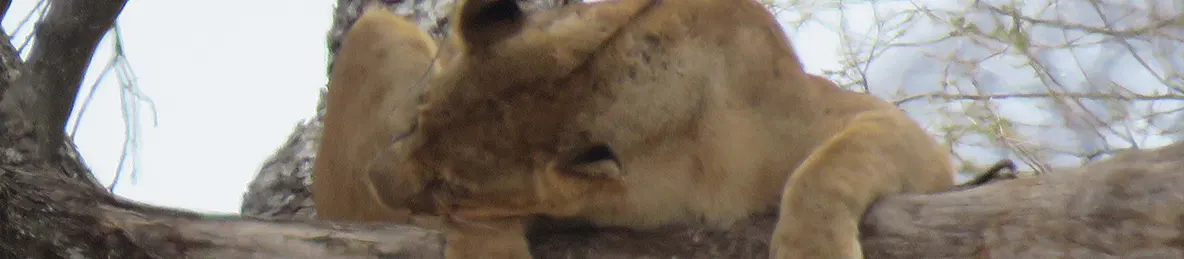
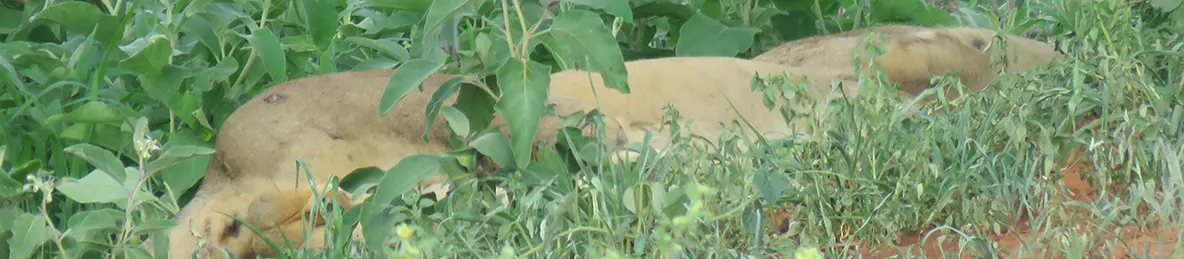
Predator activity is one of the biggest highlights here. Lions rest under trees during the heat of the day. Hyenas move across the plains searching for food. Cheetahs scan the grass while looking for movement.
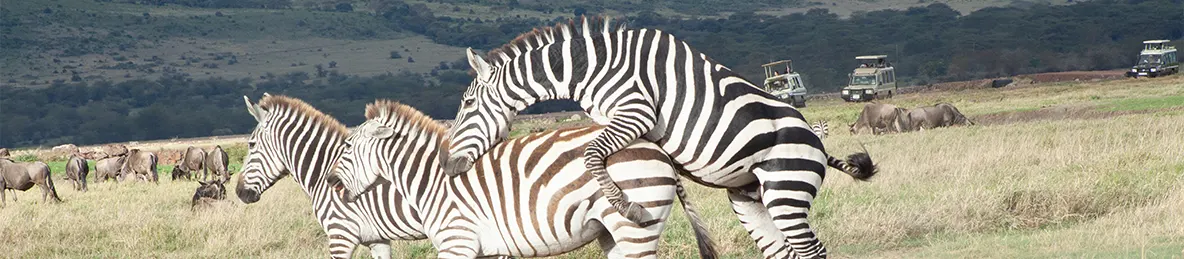
If you visit during the migration season, you may also see thousands of wildebeest and zebras moving together across the ecosystem.
But even outside migration periods, the Serengeti remains one of the best wildlife parks in Africa.
Central Serengeti is especially good for year-round game viewing because animals stay there in most seasons.
Ngorongoro Crater Gives You a Completely Different Safari Experience
Ngorongoro does not feel like Serengeti or Tarangire.
The crater forms a natural enclosure where wildlife lives year-round. Because animals stay within the crater area, wildlife viewing can feel very active even during shorter game drives.
One morning inside Ngorongoro can include lions, hippos, zebras, buffaloes, and flamingos within a few hours.
The scenery also changes quickly. You drive down from forested crater rims into open grasslands and lake areas below.
Many travelers tell us Ngorongoro becomes one of their favorite safari days because the wildlife density feels high from the moment the game drive starts.
How Your Safari Days Usually Feel
Your days normally start early. Around sunrise, the parks feel cooler, and wildlife activity becomes stronger.
You leave the lodge or camp with coffee, tea, or a light breakfast before entering the park.
Once the game drive begins, your guide tracks wildlife movement using experience, fresh animal tracks, and radio communication from other guides.
Some sightings happen suddenly. A lion appears beside the road. Elephants cross in front of the vehicle. A leopard rests inside a tree.
That unpredictability becomes part of the excitement.
Afternoons usually include lunch, another game drive, and then return to the lodge before sunset.
At night, the experience changes completely. You hear insects, birds, and sometimes distant animal sounds from the bush.
Choosing the Right Safari Style Matters
Not every traveler wants the same type of safari.
Budget Camping Safaris
If you want lower costs and do not mind camping, this option works well.
You sleep in tents at public campsites while the safari crew handles cooking and equipment. Wildlife viewing remains the same because you still visit the same national parks.
This option is popular with backpackers and younger travelers.
Mid-Range Lodge Safaris
This is the most common safari category for international travelers.
You stay in safari lodges or tented camps with proper beds, private bathrooms, and restaurant meals. The comfort level improves a lot without reaching luxury pricing.
For many travelers, this becomes the best balance between comfort and budget.
Luxury Safaris
Luxury safaris focus on premium lodges, private services, and high-end camps inside or near the parks.
Some camps overlook wildlife areas directly from private decks or tent balconies.
Luxury safaris also often include private guides, upgraded vehicles, and flexible schedules.
Your Safari Guide Will Shape the Entire Experience
This part is important.
A safari guide does much more than drive the vehicle.
A good guide understands animal behavior, weather patterns, road conditions, and wildlife movement across the parks.
Sometimes, the difference between seeing a leopard or missing it completely comes down to guide experience and timing.
Good guides also know when to wait quietly instead of rushing between sightings.
And if this is your first safari, you will probably ask many questions during the trip. A knowledgeable guide makes the experience much more personal and enjoyable.
What You Should Pack for a 4-Day Tanzania Safari
You do not need complicated safari gear.
Most travelers stay comfortable with simple, practical clothing.
- Neutral-colored clothes
- Light jacket for mornings
- Comfortable shoes
- Hat and sunglasses
- Sunscreen
- Camera or smartphone
- Binoculars
- Personal medication
- Reusable water bottle
Mornings can feel cold, especially near Ngorongoro Highlands, while afternoons become much warmer.
When Is the Best Time to Visit Tanzania for a Safari?
Tanzania offers safari opportunities throughout the year, but each season feels different.
June to October is the dry season. Wildlife becomes easier to spot because grass levels drop and animals gather near rivers and water sources.
January to March usually brings green landscapes and the wildebeest calving season in the southern Serengeti.
April and May receive heavier rain. Some travelers still visit during this period because parks feel quieter and landscapes look greener.
There is no single perfect month for every traveler. The best time depends on what kind of safari experience you want.
Private Safari or Shared Safari?
If you like flexibility, private safaris work best.
You decide when to stop, how long to stay at sightings, and how fast the schedule moves.
Private safaris are especially popular for couples, families, photographers, and honeymoon trips.
Shared safaris reduce costs because travelers split vehicle and guide expenses.
Both options can still provide excellent wildlife experiences.
Why Many Travelers Combine Safari With Zanzibar
After several days of early game drives, Zanzibar feels like the perfect contrast.
Many travelers finish their safari and continue directly to the beach for relaxation.
The combination works well because safari days feel active and adventurous, while Zanzibar slows the pace completely.
That is why Tanzania remains one of the strongest safari-and-beach destinations in Africa.
Final Thoughts on 4 Days Tanzania Safari Tours
4-day safari tours in Tanzania work very well for travelers who want a real safari experience within a shorter timeframe. You still get proper game drives, strong wildlife viewing, and the chance to visit famous parks like Serengeti, Ngorongoro, and Tarangire without feeling rushed. The key is choosing a well-planned itinerary and a good safari operator who understands pacing, wildlife timing, and guest experience. Whether you choose camping, mid-range lodges, or luxury safari camps, a well-organized 4-day safari can easily become the highlight of your Tanzania trip. For many travelers, those first wildlife sightings stay memorable long after the safari ends.